Medical Aesthetics News
Dear Doctors and Suppliers
We are looking for weekly feature contributions. If you would like to contribute please contact karen@probeauty.co.za. For more information on topics and deadlines click here. If you are a supplier and have a had a launch or have some exciting news that is industry related, we would like to mention it in our news section.
Facial fillers research revealed
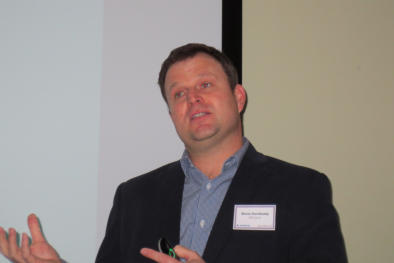
At an event held on 18 September at Marion on Nicol in Johannesburg, country manager for Allergan International, Morné
Steenkamp, revealed the results of the company’s latest research into the public’s attitudes and behaviour towards facial
fillers and injectables.
“Of the 3 739 patients who were initially surveyed for suitability, 1132 respondents were included in the final sample and completed the survey online,” said Steenkamp. “Of these, 25% were male and 75% female.
“The top motivations for South African respondents to use aesthetic treatments involve a personal desire to improve one’s
appearance, similar to the EU. Recommendations from people they knew would motivate 35% of South African respondents
to consider these treatments, demonstrating that person-to-person information is the most influential source of information
in their treatment decision process. This is similar to the EU.”
Steenkamp noted that overall, users and considerers are most likely to be in their 30s, with facial filler patients sometimes
being younger.
“Only 32% of South Africans surveyed were aware of wrinkle relaxing injectables and facial fillers, compared to 83% of
respondents in the European Union (EU). About 24% of South African respondents were interested in any type of non-
surgical aesthetic treatment, compared to 30% in the EU.
“Around 15% of the South Africans surveyed were interested specifically in facial injectables or fillers, yet only 1,3% had had
at least one treatment. Around 8% were currently considering using a facial filler, while 47% would consider it in future,
meaning 55% of the South African respondents were potentially interested in the treatment. Close to half of all users of facial
fillers locally, plan to use the treatment again,” he said.
Steenkamp made the point that while 30% of users know the brand of facial filler they are using, only 7% of those
considering knew the brand name, showing the importance of educating consumers about the products they are using.
“Market penetration for facial fillers is slightly higher for women, at 1,5%, than for males at 1% in South Africa,” he continued.
Top concerns for people who had not used aesthetic treatments and were unlikely to consider them, were cost of procedure
(62%), fear of complications (52%); and fear of unnatural results (46%).
Steenkamp concluded by saying that the majority of respondents want to look natural and indicate a focus on ‘inner beauty’,
with 85,6% of respondents saying it was important that their appearance looked natural.
completed the survey online,” said Steenkamp. “Of these, 25% were male and 75% female.
“The top motivations for South African respondents to use aesthetic treatments involve a personal desire to improve one’s
appearance, similar to the EU. Recommendations from people they knew would motivate 35% of South African respondents
to consider these treatments, demonstrating that person-to-person information is the most influential source of information
in their treatment decision process. This is similar to the EU.”
Steenkamp noted that overall, users and considerers are most likely to be in their 30s, with facial filler patients sometimes
being younger.
“Only 32% of South Africans surveyed were aware of wrinkle relaxing injectables and facial fillers, compared to 83% of
respondents in the European Union (EU). About 24% of South African respondents were interested in any type of non-
surgical aesthetic treatment, compared to 30% in the EU.
“Around 15% of the South Africans surveyed were interested specifically in facial injectables or fillers, yet only 1,3% had had
at least one treatment. Around 8% were currently considering using a facial filler, while 47% would consider it in future,
meaning 55% of the South African respondents were potentially interested in the treatment. Close to half of all users of facial
fillers locally, plan to use the treatment again,” he said.
Steenkamp made the point that while 30% of users know the brand of facial filler they are using, only 7% of those
considering knew the brand name, showing the importance of educating consumers about the products they are using.
“Market penetration for facial fillers is slightly higher for women, at 1,5%, than for males at 1% in South Africa,” he continued.
Top concerns for people who had not used aesthetic treatments and were unlikely to consider them, were cost of procedure
(62%), fear of complications (52%); and fear of unnatural results (46%).
Steenkamp concluded by saying that the majority of respondents want to look natural and indicate a focus on ‘inner beauty’,
with 85,6% of respondents saying it was important that their appearance looked natural.
completed the survey online,” said Steenkamp. “Of these, 25% were male and 75% female.
“The top motivations for South African respondents to use aesthetic treatments involve a personal desire to improve one’s
appearance, similar to the EU. Recommendations from people they knew would motivate 35% of South African respondents
to consider these treatments, demonstrating that person-to-person information is the most influential source of information
in their treatment decision process. This is similar to the EU.”
Steenkamp noted that overall, users and considerers are most likely to be in their 30s, with facial filler patients sometimes
being younger.
“Only 32% of South Africans surveyed were aware of wrinkle relaxing injectables and facial fillers, compared to 83% of
respondents in the European Union (EU). About 24% of South African respondents were interested in any type of non-
surgical aesthetic treatment, compared to 30% in the EU.
“Around 15% of the South Africans surveyed were interested specifically in facial injectables or fillers, yet only 1,3% had had
at least one treatment. Around 8% were currently considering using a facial filler, while 47% would consider it in future,
meaning 55% of the South African respondents were potentially interested in the treatment. Close to half of all users of facial
fillers locally, plan to use the treatment again,” he said.
Steenkamp made the point that while 30% of users know the brand of facial filler they are using, only 7% of those
considering knew the brand name, showing the importance of educating consumers about the products they are using.
“Market penetration for facial fillers is slightly higher for women, at 1,5%, than for males at 1% in South Africa,” he continued.
Top concerns for people who had not used aesthetic treatments and were unlikely to consider them, were cost of procedure
(62%), fear of complications (52%); and fear of unnatural results (46%).
Steenkamp concluded by saying that the majority of respondents want to look natural and indicate a focus on ‘inner beauty’,
with 85,6% of respondents saying it was important that their appearance looked natural.